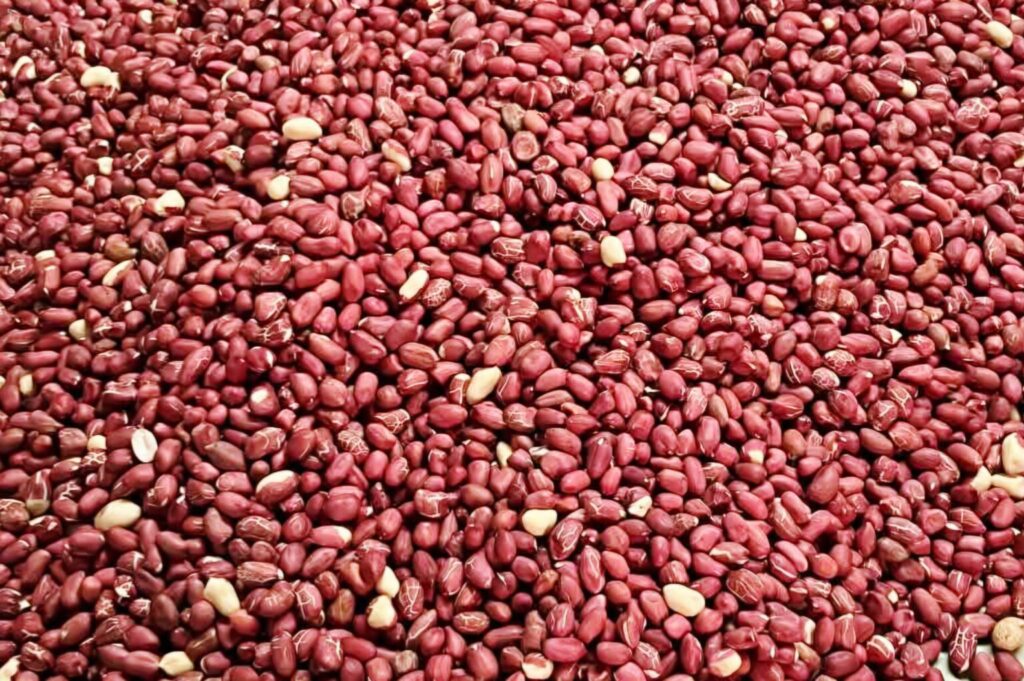
Another livelihood is being wiped out in Bulgaria – peanut production in the Plovdiv municipality of Sadovo. Due to cheap imports and a lack of state protection, farmers are increasingly abandoning this traditional crop. As a result, peanut production in Sadovo and the surrounding region is facing a serious crisis.
The crop, which for decades has provided a livelihood for hundreds of families, is now almost forgotten due to imported products, rising production costs, and a lack of state support. “Peanut prices have collapsed. This is a traditional crop for us, but it is currently being pushed into a corner,” commented a farmer from Sadovo. According to him, the state has been liquidating this segment of the agricultural sector for nearly 20 years.
The main problem cited by farmers is the import of peanuts at low prices. Quantities from Argentina, China, and the US are entering the Bulgarian market and are being sold at prices around 5 leva per kilogram, equal to or even lower than the purchase price of domestic production. “We see the prices at which imported peanuts are sold in stores. And ours are bought for about 5 leva. This is an extremely low price that does not cover our costs,” says another producer.
Farmers blame the state for not controlling imports. “It’s a foggy area. No one says how they enter, under what conditions, and at what prices they are imported into our country,” they add. According to them, climate change further complicates the situation. The lack of rainfall is forcing farmers to irrigate more and more often, leading to a sharp increase in overhead costs.
“You have to irrigate more and more—there is almost no rain. Electricity, water, fuel—everything is getting more expensive, and the cost price is rising. At the same time, the purchase price remains the same,”
explain the farmers.
About 30 years ago, peanuts were grown on about 100-120 thousand hectares in the region. Today, the area has shrunk dramatically – to just 5-6 thousand hectares. The crop was widespread in Sadovo and the villages around the Maritsa River. “This was our livelihood. Today, we see how the state indiscriminately imports peanuts. And it’s not just this crop – everything is in pieces,” say the farmers. Small producers are not protected by the national agricultural development strategy.
“The financial support we receive is a pittance. There is no one to protect us – just as there was no one to protect the livestock farmers,”
the producers comment bitterly. According to them, decisions are made far away from the fields. “The Minister of Agriculture has the phone numbers of the big players and they are on first-name terms. How many of us have access to him? And how many of us has he shaken hands with?” they ask rhetorically.
“Sunburned faces, rough, black hands at the end of September. And when you draw the line, was it worth it?” says a long-time producer, adding that the risk remains constant—a hailstorm or flood can destroy a whole year’s work.
The last remaining farmers are already considering giving up peanut production. This year, few of them will decide to plant the crop. If the trend continues, Sadovo may finally lose one of its most recognizable agricultural products – not because of a lack of tradition or labor, but because of a lack of protection and support from the state.